
Coffee-to-Water Ratio: How Much Coffee Per Cup?
The single biggest lever on coffee strength is the ratio of coffee to water. Here is how to measure it for any method.
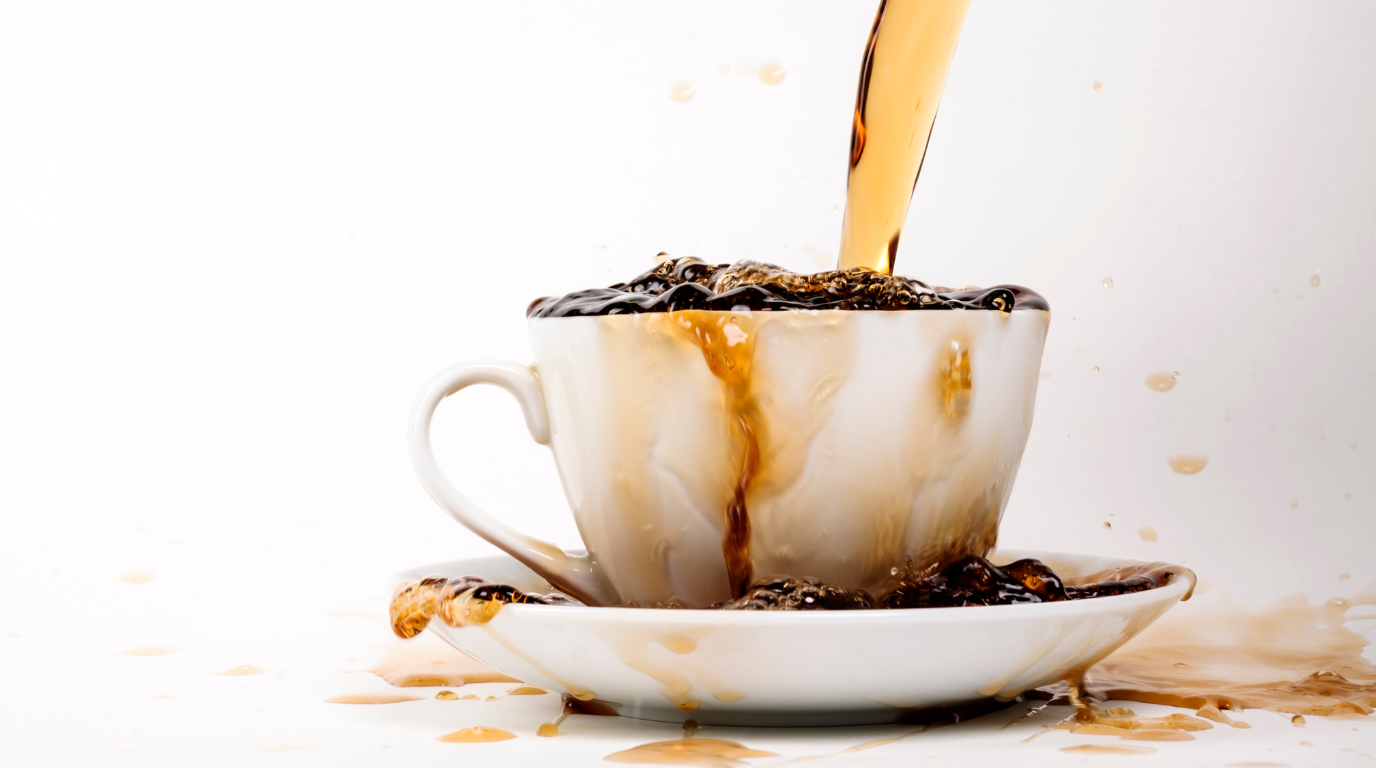
Ask why one person's coffee tastes rich and balanced while another's tastes weak or harsh, and the answer is usually not the beans or the machine — it is the ratio. The amount of coffee relative to water sets the strength of the cup before grind, temperature, or time enter the picture. Once you measure that ratio consistently, every brew becomes repeatable, and fine-tuning the rest is easy.
What a coffee ratio actually means
A ratio like 1:16 means one part coffee to sixteen parts water by weight — one gram of coffee for every sixteen grams of water. The smaller the second number, the stronger the cup. A 1:15 brew is stronger than a 1:17 brew because there is more coffee packed into the same water. Most balanced filter coffee lands between 1:15 and 1:17, and 1:16 is the safest place to start.
Why weight beats volume
Scooping by the tablespoon is convenient but imprecise. A tablespoon of light, fluffy grounds weighs noticeably less than a tablespoon of dense ones, and beans vary by roast and origin. A simple kitchen scale removes that guesswork and is the single best upgrade for consistent coffee. Weigh both the coffee and the water and you can recreate a great cup exactly, every time.
The starting chart
This table uses the 1:16 ratio and counts a cup as 6 ounces of water, the standard most coffee makers assume. A level tablespoon of ground coffee is roughly 5 grams.
| Cups (6 oz) | Water | Coffee (grams) | Coffee (tbsp) |
|---|---|---|---|
| 1 | 180 ml | 11 g | 2 |
| 2 | 360 ml | 22 g | 4.5 |
| 4 | 720 ml | 45 g | 9 |
| 8 | 1440 ml | 90 g | 18 |
Treat these as a baseline, not a rule. Your palate is the final judge, and the next sections show how to move from the baseline toward the cup you actually want.
Adjusting strength to taste
The ratio is a dial you can turn in two directions:
- Want it stronger? Move toward 1:15 or 1:14 — add more coffee, keep the water the same.
- Want it milder? Move toward 1:17 or 1:18 — less coffee for the same water.
A common mistake is brewing a weak ratio and then leaving the coffee to over-extract to compensate, which adds bitterness instead of strength. Strength and extraction are separate things: the ratio decides how much coffee is in the cup, while grind and time decide how much flavor you pull from each gram. Fix strength with the ratio first, and keep your grind and timing where they belong. If a properly dosed cup still tastes off, then look at grind size and brew time, not the amount of coffee.
Ratios by brewing method
Different methods suit slightly different ratios because of how they extract. These are good starting points:
| Method | Ratio | Notes |
|---|---|---|
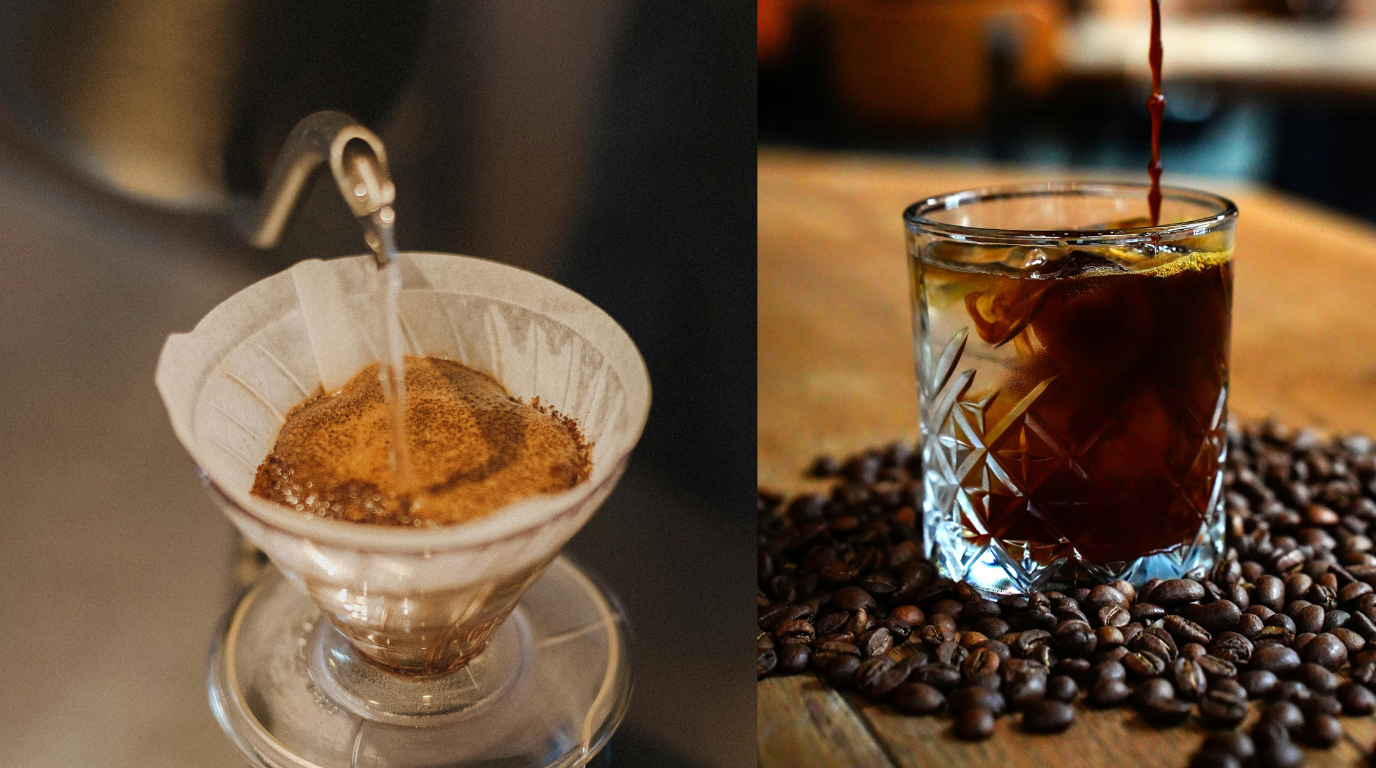
| Pour-over | 1:16 | Clean, bright, easy to adjust |
| Drip machine | 1:16 | Match the machine's cup markings to grams |
| French press | 1:15 | Slightly stronger suits the fuller body |
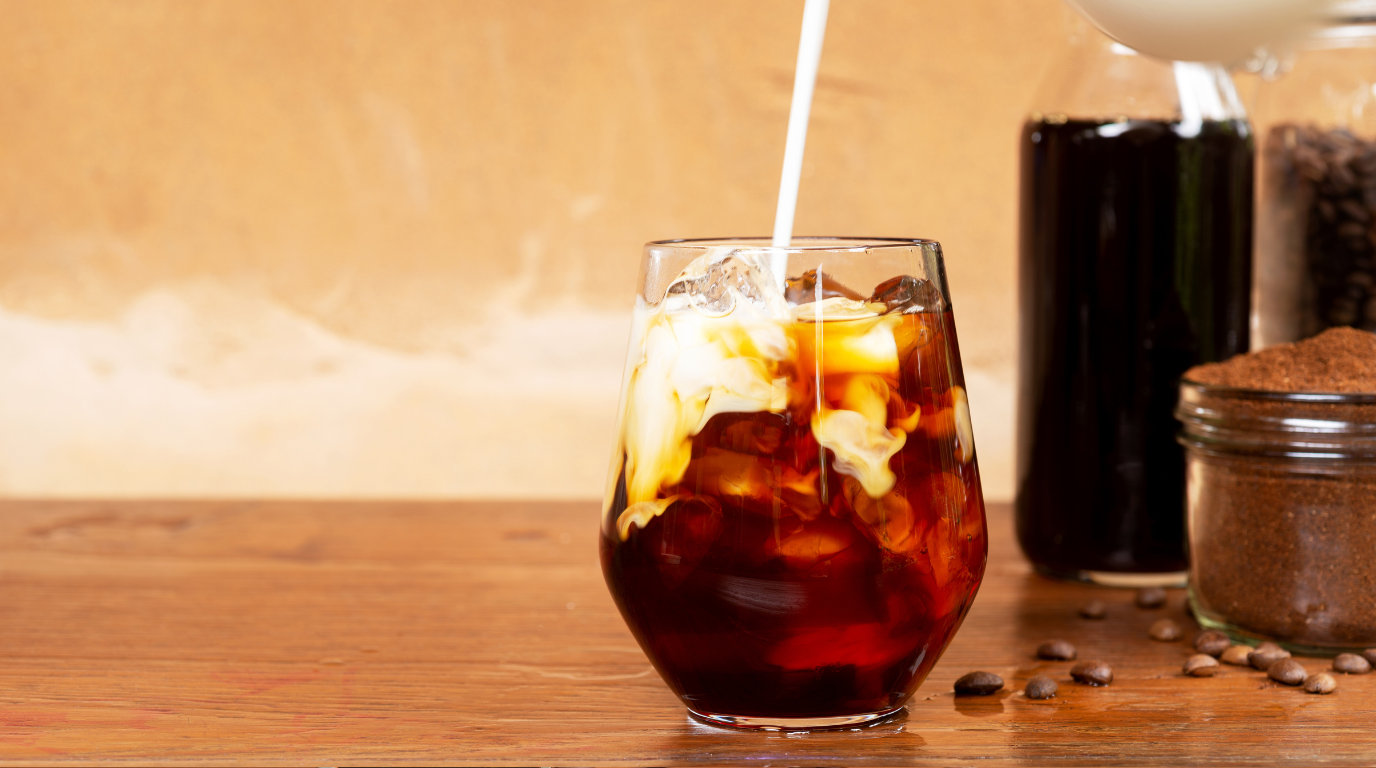
| Cold brew | 1:8 | Brewed as a concentrate, then diluted |
Espresso sits in its own world, closer to 1:2, because it uses pressure and a very short contact time. For the full method-by-method walkthrough, see our guide to brewing Blue Mountain coffee.
Does the coffee itself change the ratio?
Strength and flavor are not the same thing. The ratio controls how strong the cup is; the beans decide what that strength tastes like. A smooth, balanced coffee like 100% Jamaica Blue Mountain stays pleasant even at a stronger ratio because it carries so little bitterness — a quality explained in our overview of what makes it special. You can brew it bolder than a sharper coffee without the cup turning aggressive, which gives you room to experiment.
Putting all of this into practice takes only a few brews:
- Pick your ratio and weigh both coffee and water for the first few brews.
- Taste, then nudge the ratio one step stronger or milder until it sits right.
- Once it is dialed in, note the numbers so every future brew matches.
From there the rest of the variables fall into place. Start with fresh coffee ground for your method — our whole beans for grinding at home, or pre-ground for everyday ease — and find your perfect cup in our shop.
Frequently Asked Questions
How much coffee should I use per cup?
What is the best coffee-to-water ratio?
Should I measure coffee by weight or by tablespoons?
Was this helpful?
Ready to taste it?
Shop 100% authentic Jamaica Blue Mountain Coffee — whole bean, ground and pods.
Shop Coffee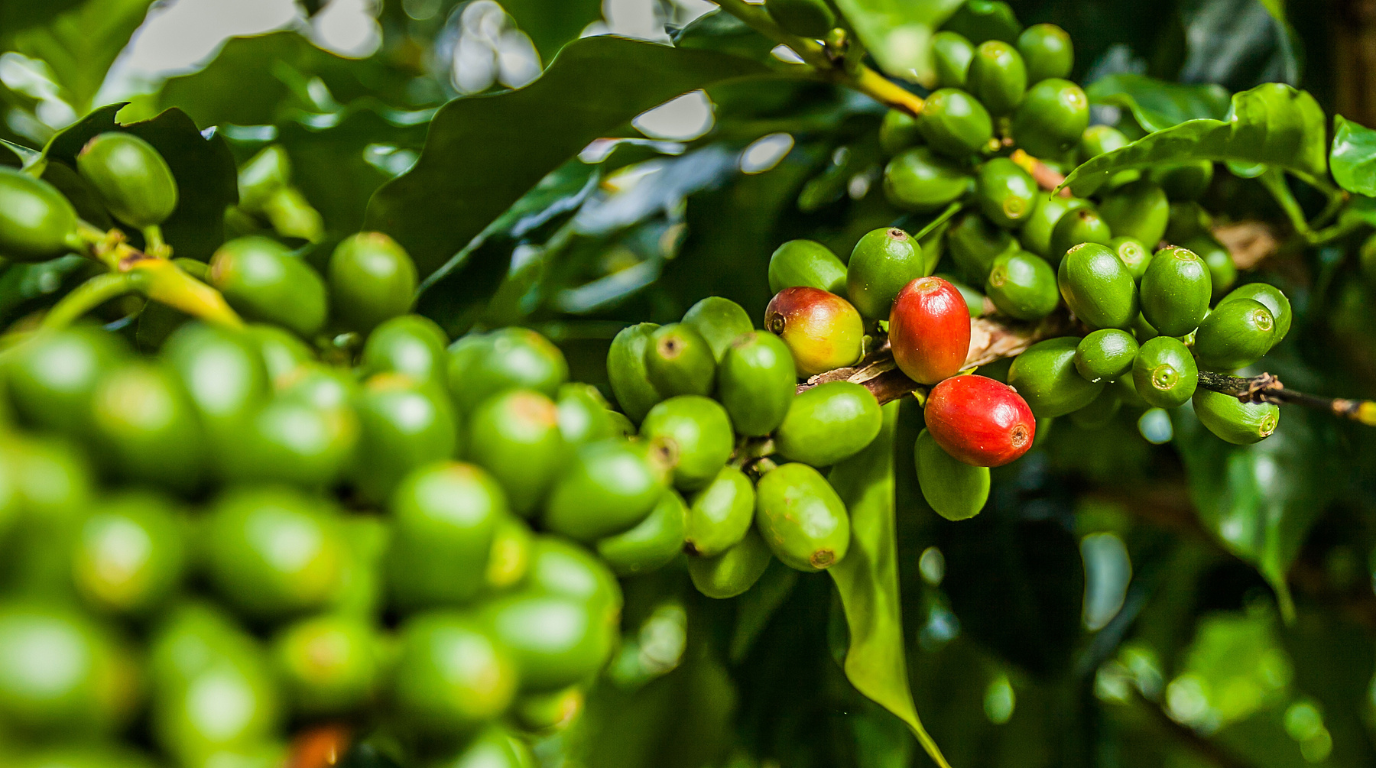
0 Comments
Be the first to share your thoughts.
Leave a comment
Please sign in with your email to leave a comment.